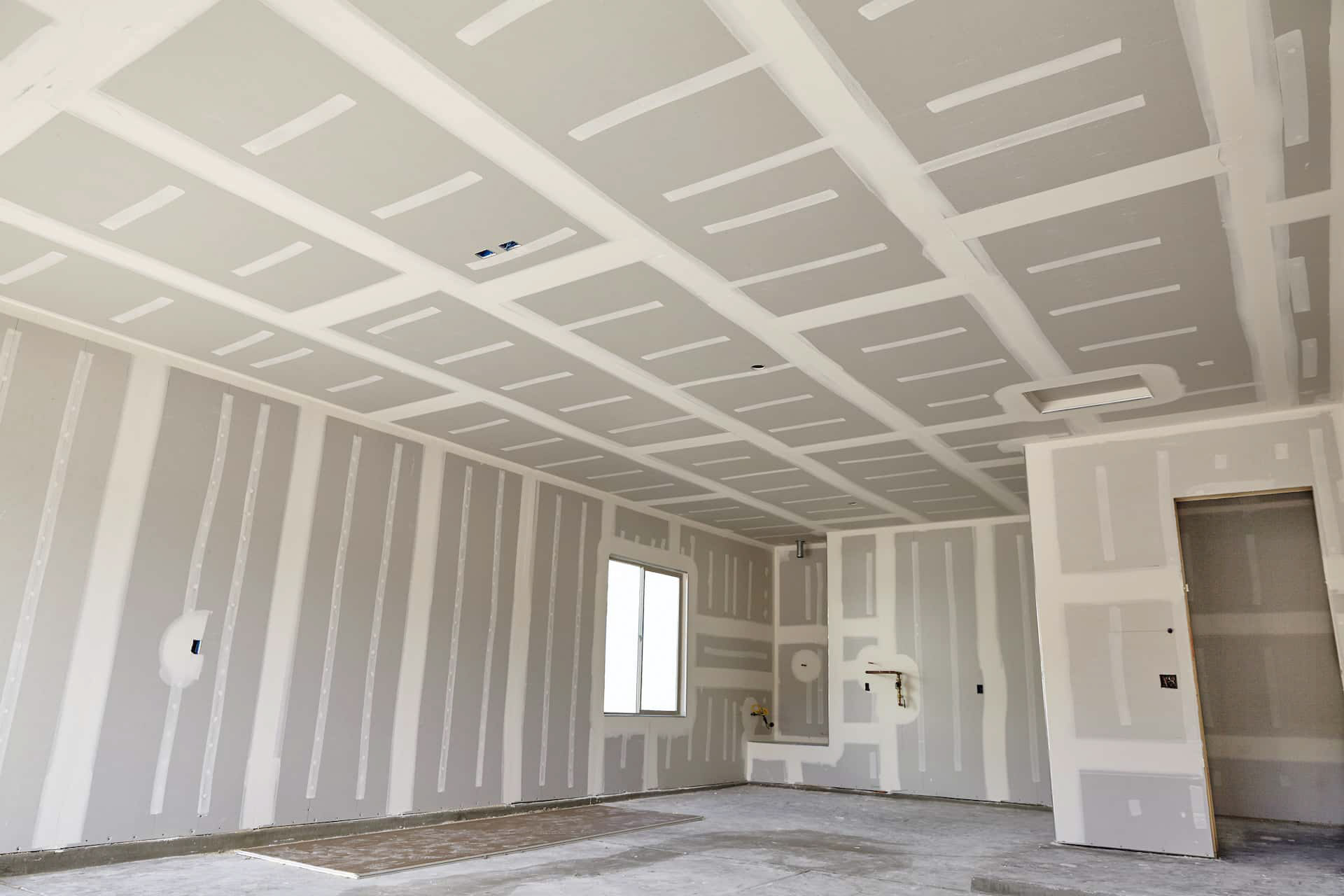
The Role of Drywall in Energy Efficiency: Hurst Drywall's Guide to Insulated Interiors Jan 12, 2026
Understanding the basics of drywall is essential. Drywall panels, made from gypsum encased in paper, are highly effective at enhancing soundproofing and fire resistance. Yet, their ability to contribute to energy efficiency is often overlooked. By choosing the right type of drywall and insulation, like those offered by Hurst Drywall, you can significantly impact your home’s thermal performance.
One major aspect to consider is the insulation capability of drywall. Drywall itself has a minimal insulation value, which is why it is crucial to pair it with effective insulation materials. Insulated drywall systems incorporate layers of insulating foam or fiberglass, increasing the wall’s overall R-value. This improved R-value means the walls provide better resistance to heat flow, keeping warm air inside during winter and outside during summer. As a result, less energy is spent on heating and cooling, leading to lower energy bills and reduced environmental footprint.
Thermal resistance isn't the only benefit of insulated drywall systems. One often underappreciated advantage is moisture control. In regions with high humidity, moisture-resistant drywall can prevent condensation within walls, which not only protects the structural integrity of the building but also helps maintain indoor air quality. Opting for systems that integrate moisture barriers can further optimize energy use and safeguard against mold growth.
The choice of drywall can also complement other energy-efficient measures in the home. Installing high-performance windows, utilizing energy-efficient lighting, and updating HVAC systems all contribute to a comprehensive energy-efficient home. However, if the walls are inefficient, the benefits of these updates diminish. Therefore, ensuring that drywall design is part of the overall energy efficiency strategy can lead to significant improvements.
For homeowners considering home renovations or new constructions, choosing the right drywall is crucial. At Hurst Drywall, we provide expert consultations to help you select the best drywall and insulation combinations tailored to your specific climate and needs. Our team emphasizes the importance of professional installation as well. Improper installation can lead to thermal bridging or air leakage, nullifying the benefits of even the highest quality materials.
Investing in energy-efficient drywall solutions today promises long-term savings and environmental benefits. As utility rates continue to rise and the call for sustainable building practices becomes urgent, informed decisions in material choice can have far-reaching impacts.
In conclusion, drywall plays a significant, if sometimes underestimated, role in energy efficiency. By understanding and optimizing this aspect of home construction, you can achieve greater comfort and financial savings while contributing positively to the environment. At Hurst Drywall, our commitment is to help guide you through this process, ensuring your interiors are not only structurally sound but also energy efficient. For more insights and tailored solutions, trust our expertise to turn your energy efficiency goals into reality.
/filters:no_upscale()/filters:format(webp)/media/0ce7108b-6058-4f39-9ac9-0cc93c977b55.jpg)
/filters:no_upscale()/filters:format(webp)/media/f57d0b3e-780d-41e3-9e33-8f284177770c.jpeg)