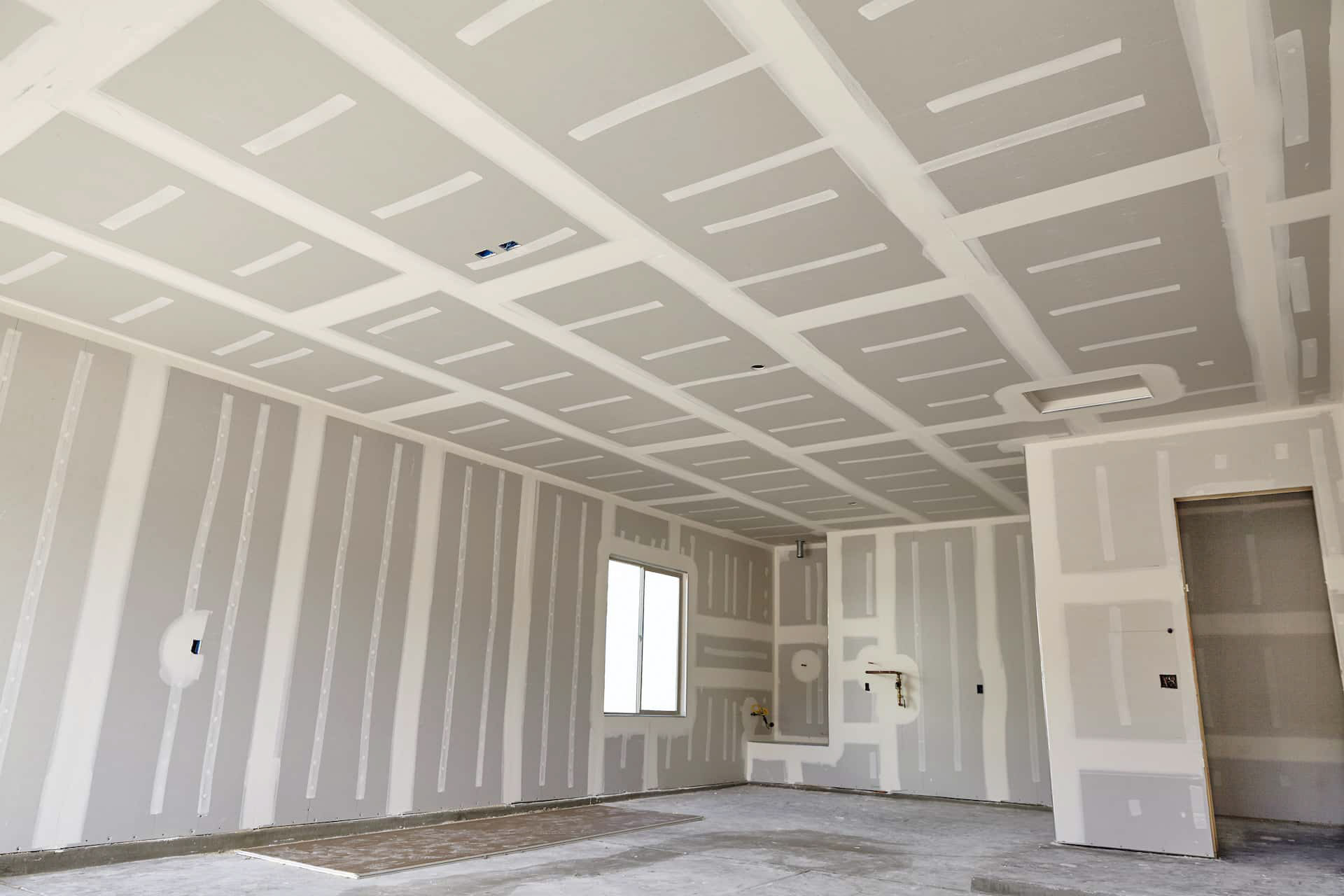
Timeless Tones: Incorporating Color and Texture into Drywall Designs Jul 03, 2026
The first step in any drywall design process is to understand the impact of color. Different colors evoke different moods and feelings, setting the tone for the entire room. Soft, neutral tones such as creams and beiges can create a serene, calming atmosphere, perfect for bedrooms or living spaces where relaxation is key. On the other hand, bold, vibrant colors like deep blues or rich reds can inject energy and warmth into a room, making them ideal for spaces where activity and socializing thrive, such as kitchens or entertainment rooms.
Once you've settled on a color palette, it's important to consider the texture. The texture adds depth and dimension to drywall, turning flat surfaces into a striking design feature. Whether you're aiming for a rustic, aged look with a stucco finish or a sleek, modern aesthetic with a smooth finish, the right texture can vastly enhance the visual appeal of your walls. Techniques like sponge painting or rag rolling can introduce subtle variances and intricate patterns to your walls, offering a distinctive touch that is uniquely yours.
For those looking to achieve a more contemporary feel, consider incorporating linear textures which provide a minimalist and sophisticated appearance. This technique involves creating horizontal or vertical lines using drywall compound or special texturing tools. Linear textures can guide the eye across a room, subtly influencing how viewers perceive space and form.
Incorporating color and texture into drywall designs is not just about aesthetics. It serves functional purposes as well. Textured finishes can help in camouflaging imperfections on drywall surfaces, preventing small flaws from becoming focal points in an otherwise impeccable design. Moreover, choosing colors like pale blues or soft greens for drywall can also uplift the ambiance, working wonders in smaller spaces by reflecting light and creating the illusion of more open areas.
When planning your drywall design, it's critical to balance creativity with practicality. Consult with experts like those at Hurst Drywall who not only possess the technical skills required for such transformations but also have an eye for detail that ensures your vision is flawlessly realized. Professional input is invaluable, particularly when attempting intricate textures or deciding on the best methods and materials to use for your project.
Finally, consider the long-term effects of your choices. Trends come and go, but timeless tones remain consistent and relevant. Classic color schemes coupled with subtle textures will ensure that your drywall designs feel fresh and appealing for years to come, adding value and beauty to your home.
In conclusion, the incorporation of color and texture in drywall is more than a design trend; it's a means of personal expression and an opportunity to enhance living spaces. Hurst Drywall specializes in helping clients explore these possibilities, ensuring every design decision complements the overall architecture and function of the space. By exploring these options, you can cultivate an environment that not only captures the essence of your style but also provides lasting comfort and satisfaction.
/filters:no_upscale()/filters:format(webp)/media/0ce7108b-6058-4f39-9ac9-0cc93c977b55.jpg)
/filters:no_upscale()/filters:format(webp)/media/f57d0b3e-780d-41e3-9e33-8f284177770c.jpeg)